
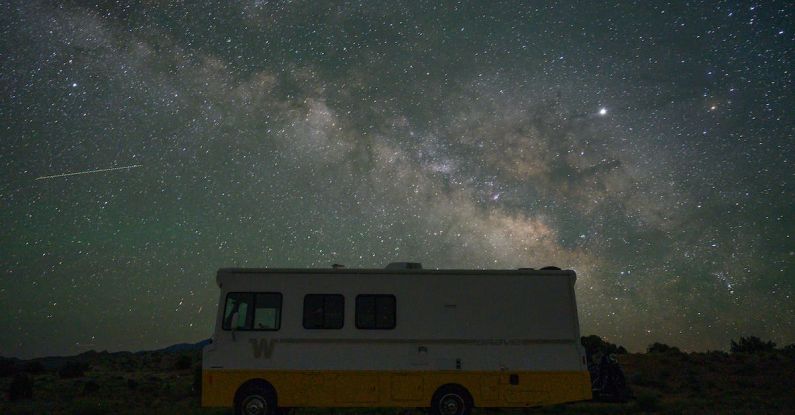
What’s Boondocking and How to Prepare?
Boondocking, also known as dry camping or off-grid camping, is the practice of camping in self-contained vehicles or tents without the use of traditional campground facilities. It’s a popular way for outdoor enthusiasts to disconnect from the modern world and immerse themselves in nature. However, boondocking requires careful planning and preparation to ensure a safe and enjoyable experience. In this article, we will explore what boondocking is and provide you with some essential tips to prepare for your next off-grid adventure.
Understanding Boondocking
Boondocking offers a unique camping experience where you can camp in remote and secluded locations away from the crowds. Instead of staying in designated campgrounds, you have the freedom to explore public lands, national forests, and Bureau of Land Management (BLM) areas. This type of camping allows you to enjoy the serenity of nature, breathtaking views, and the opportunity to observe wildlife up close.
Choosing the Right Vehicle
Before embarking on a boondocking adventure, it’s crucial to ensure that your vehicle is suitable for off-grid camping. If you’re planning to camp in an RV, make sure it has the necessary amenities such as freshwater holding tanks, a generator or solar panels for electricity, and a waste disposal system. For tent campers, a four-wheel drive vehicle is often necessary to access remote locations. Additionally, it’s essential to have a reliable GPS system and maps to navigate the unfamiliar terrain.
Water and Power Considerations
One of the biggest challenges of boondocking is the lack of access to water and electricity. Therefore, it’s essential to plan ahead and carry sufficient water for drinking, cooking, and cleaning. Consider investing in portable water containers or a water filtration system to ensure a steady supply during your trip. As for power, solar panels are an excellent eco-friendly option for generating electricity. Alternatively, you can use a portable generator or conserve power by using energy-efficient appliances and LED lights.
Waste Management
Proper waste management is crucial when boondocking to maintain the cleanliness and sustainability of the environment. If you’re camping in an RV, ensure that you have a black water tank for sewage and a gray water tank for shower and sink wastewater. Dispose of your waste responsibly by using designated dump stations or following the Leave No Trace principles. For tent campers, it’s essential to bury human waste at least 200 feet away from water sources and campsites.
Safety Precautions
While boondocking provides a sense of freedom and solitude, it’s important to prioritize your safety. Before heading into remote areas, inform someone about your plans and expected return date. Research the location you’re planning to camp in, including any potential hazards or wildlife encounters. Pack essential safety gear such as a first aid kit, fire extinguisher, and bear spray if necessary. Additionally, be mindful of fire safety and ensure you follow any fire restrictions or regulations in the area.
Leave No Trace Principles
As responsible outdoor enthusiasts, it’s important to adhere to the Leave No Trace principles when boondocking. These principles include minimizing campfire impacts, disposing of waste properly, leaving natural and cultural artifacts undisturbed, and respecting wildlife. By following these guidelines, we can ensure the preservation of our natural resources and leave the environment as we found it for future generations to enjoy.
Conclusion: Embrace the Adventure
Boondocking offers a unique and adventurous way to experience the great outdoors. By understanding what boondocking is and preparing adequately, you can embark on an unforgettable off-grid camping experience. Remember to choose the right vehicle, plan for water and power considerations, manage waste responsibly, prioritize safety, and adhere to the Leave No Trace principles. So, pack your gear, disconnect from the modern world, and embrace the freedom of boondocking!