
What Are Common Rv Electrical Issues?
Recreational vehicles (RVs) are a popular choice for those who love to travel and explore the great outdoors. These vehicles provide all the comforts of home while allowing you to go wherever the road takes you. However, like any other type of vehicle, RVs can experience electrical issues that can disrupt your journey. In this article, we will discuss some of the most common RV electrical issues and how to troubleshoot them.
1. Dead Batteries
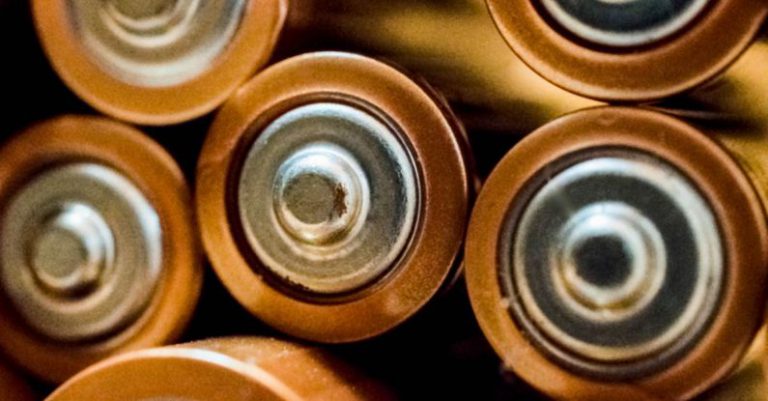
One of the most frequently encountered electrical problems in an RV is dead batteries. This issue can occur for several reasons, such as leaving lights or appliances on overnight or not properly maintaining the battery. To avoid this problem, it is essential to regularly check and charge your batteries. Additionally, investing in a battery maintenance system can help prolong the life of your batteries and prevent them from dying unexpectedly.
2. Tripping Circuit Breakers
Another common issue RV owners face is tripping circuit breakers. This can happen when you overload the electrical system by running too many appliances simultaneously. To prevent circuit breakers from tripping, it is crucial to be mindful of the power requirements of each appliance and avoid using too many high-demand devices at once. If a circuit breaker trips, simply reset it by flipping the switch back to the “on” position.
3. Faulty Wiring
Faulty wiring is a serious electrical issue that can pose significant risks, including potential electric shocks or even fires. Wiring problems can occur due to poor installation, wear and tear, or rodent damage. If you notice any signs of faulty wiring, such as flickering lights, outlets not working, or burning smells, it is crucial to address the issue immediately. Hiring a professional electrician who specializes in RVs is the best way to ensure proper repairs and prevent any further damage.
4. Inverter Problems
An inverter is essential for converting DC power from your RV’s batteries into AC power to run your appliances. Inverter problems can occur if the unit is overloaded or if there is a fault in the wiring. If your appliances are not receiving power or are not operating properly, it may be due to inverter issues. Checking the inverter’s connections and troubleshooting any error codes or warning lights can help identify and resolve the problem.
5. GFCI Outlet Malfunctions
Ground Fault Circuit Interrupter (GFCI) outlets are designed to protect against electrical shocks by quickly shutting off power if there is a fault. However, GFCI outlets can malfunction and trip, causing a loss of power to certain areas of your RV. If you experience power loss in specific outlets, check if the GFCI outlet has tripped. Resetting the GFCI outlet by pressing the “reset” button can restore power to the affected areas.
In conclusion, RV electrical issues can be frustrating and potentially dangerous if not addressed promptly. By understanding the common problems and how to troubleshoot them, you can ensure a safe and enjoyable journey in your RV. Regularly maintaining your batteries, being mindful of power consumption, and seeking professional help for complex issues are all excellent ways to prevent and resolve electrical problems in your RV. Remember, a little bit of preventive care can go a long way in keeping your RV’s electrical system running smoothly.