How to Start a Campfire Safely?
Whether you’re camping in the wilderness or simply enjoying a backyard bonfire, starting a campfire safely is essential. A campfire can provide warmth, a place to cook food, and a cozy ambiance, but it can also be dangerous if not handled properly. Follow these guidelines to ensure you start and maintain a campfire safely.
Choosing the Right Location
Before you start a campfire, it’s crucial to choose the right location. Look for a designated fire pit or an open area away from overhanging branches, dry grass, or any flammable materials. Make sure the area is well-ventilated and clear of debris. Keep in mind that some campsites or parks may have specific rules or restrictions regarding campfires, so be sure to check before you start.
Preparing the Fire Pit
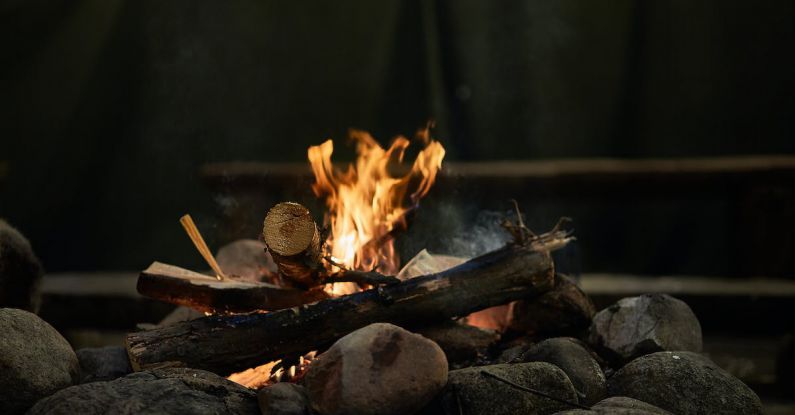
Once you’ve selected the ideal location, it’s time to prepare the fire pit. Clear any leaves, sticks, or other combustible materials from the area. If there is an existing fire ring, use it. If not, create a small circle using rocks or a metal fire ring. This will help contain the fire and prevent it from spreading.
Gathering the Right Supplies
To start a campfire safely, you’ll need the right supplies. Gather dry twigs, branches, and logs of varying sizes. It’s important to use only dry wood, as wet wood can create excessive smoke and be difficult to ignite. Additionally, it’s a good idea to have newspaper, matches, or a lighter on hand for ignition purposes.
Building the Fire
Now that you have your supplies, it’s time to start building the fire. Begin by placing a layer of crumpled newspaper or dry leaves at the center of the fire pit. This will serve as the base and help ignite the fire. Next, arrange the twigs in a teepee shape over the paper, leaving enough space for air to circulate. Gradually add larger sticks and logs around the teepee, ensuring they are stable and won’t collapse.
Lighting the Fire
With the fire built, it’s time to light it. Take caution when lighting the fire, ensuring you have a safe distance from the flames. Use matches or a lighter to ignite the paper or leaves at the center of the teepee. If needed, carefully blow on the flames to provide oxygen and encourage the fire to grow. Once the fire has caught hold of the twigs, it will begin to spread to the larger logs.
Maintaining the Fire
To maintain a campfire safely, it’s important to keep a few things in mind. Never leave the fire unattended, especially if there are children or pets nearby. Keep a bucket of water or a fire extinguisher nearby in case of emergencies. Avoid adding too much wood at once, as this can cause the fire to become uncontrollable. Instead, add small amounts of wood gradually to maintain a manageable fire.
Extinguishing the Fire
When you’re ready to extinguish the fire, begin by dousing it with water. Slowly pour water over the fire, starting from the edges and working your way towards the center. Stir the embers with a stick to ensure all areas are thoroughly soaked. Continue adding water until you no longer hear hissing or see any smoke. Once the fire is completely out, use a shovel to mix the ashes with soil, ensuring there are no remaining hot spots.
In conclusion, starting a campfire safely is essential to prevent accidents and ensure an enjoyable outdoor experience. By choosing the right location, preparing the fire pit, gathering the right supplies, building the fire correctly, and maintaining it responsibly, you can enjoy the warmth and beauty of a campfire while minimizing the risk of harm. Remember, safety should always be your top priority when dealing with fire.