How to Save Fuel on Long Drives?
Long drives can be a great way to explore new places and enjoy the open road. However, the cost of fuel can quickly add up, especially on longer trips. Fortunately, there are several simple steps you can take to save fuel on long drives and make your journey more economical. In this article, we will explore some effective strategies to help you reduce fuel consumption and stretch your budget further.
Plan Your Route Wisely
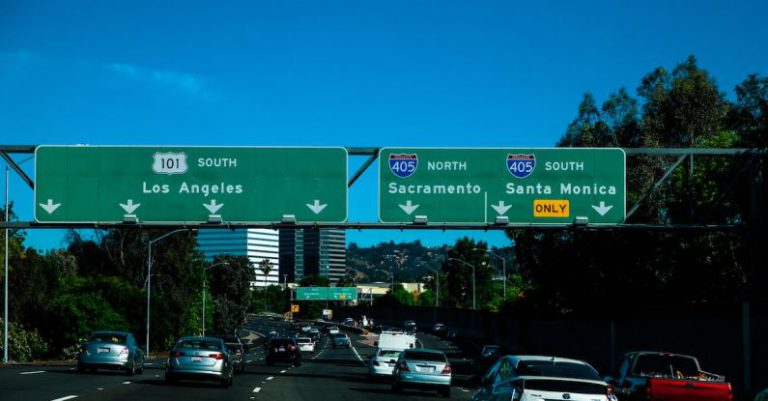
One of the most effective ways to save fuel on long drives is to plan your route wisely. Before you hit the road, take some time to research the most fuel-efficient route to your destination. Look for highways and roads that offer smooth terrain and minimal traffic congestion. Avoid routes with multiple stops and starts, as these require more fuel to accelerate. By choosing the most efficient route, you can significantly reduce your fuel consumption and save money.
Maintain a Steady Speed
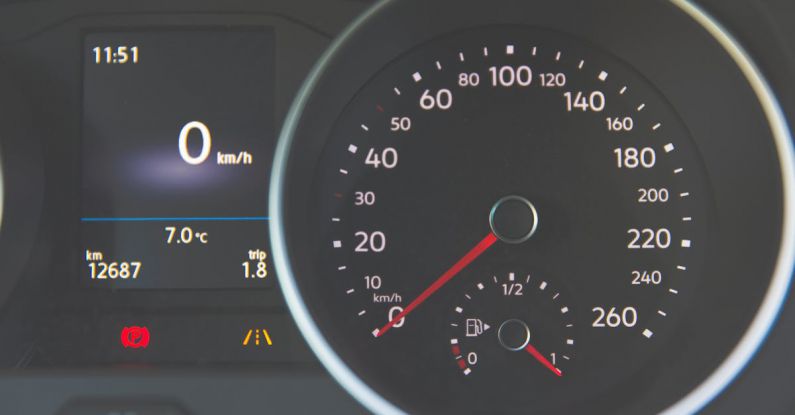
Maintaining a steady speed on long drives can also help you save fuel. Rapid acceleration and constant braking can waste a significant amount of fuel. Instead, try to keep a consistent speed throughout your journey. Use cruise control whenever possible, especially on highways, to maintain a steady pace. By driving smoothly, you can minimize fuel consumption and increase your fuel efficiency.
Reduce Excess Weight
Carrying unnecessary weight in your vehicle can decrease fuel efficiency. Before embarking on a long drive, remove any unnecessary items from your car. The lighter your vehicle, the less fuel it will consume. Avoid using roof racks or cargo carriers unless absolutely necessary, as these can create additional aerodynamic drag and increase fuel consumption. By reducing excess weight, you can save fuel and improve your car’s overall performance.
Avoid Excessive Idling
Excessive idling can be a major fuel waster, particularly on long drives. When you stop for a break or encounter heavy traffic, it is important to turn off your engine if you expect to remain stationary for more than a minute. Idling for prolonged periods consumes fuel unnecessarily and adds to your overall fuel costs. By turning off your engine when not in use, you can conserve fuel and save money.
Monitor Tire Pressure
Properly inflated tires can significantly improve fuel efficiency. Before embarking on a long drive, check your tire pressure and ensure it is at the recommended level. Underinflated tires create more rolling resistance, which requires more energy (fuel) to overcome. By keeping your tires properly inflated, you can reduce rolling resistance and improve fuel economy.
Use Air Conditioning Wisely
Using air conditioning can increase fuel consumption, particularly at higher speeds. To save fuel on long drives, use air conditioning sparingly. Instead, try to rely on natural ventilation by opening windows or using the car’s air vents. If you do need to use air conditioning, set it to a moderate temperature and avoid blasting it at full power. By using air conditioning wisely, you can minimize fuel consumption and save money.
In conclusion
Saving fuel on long drives is not only good for your wallet but also for the environment. By planning your route wisely, maintaining a steady speed, reducing excess weight, avoiding excessive idling, monitoring tire pressure, and using air conditioning wisely, you can significantly improve fuel efficiency. Implementing these simple strategies will not only save you money but also make your long drives more enjoyable and sustainable. So, the next time you hit the road, remember these fuel-saving tips and make the most out of your journey.