
How to Camp Sustainably?
Camping is a beloved pastime for many outdoor enthusiasts. It allows us to connect with nature, unwind from the demands of daily life, and spend quality time with loved ones. However, it’s important to remember that our actions while camping can have a profound impact on the environment. To ensure that we can continue to enjoy the beauty of the great outdoors for years to come, it’s crucial to camp sustainably. In this article, we will explore some tips and tricks for practicing sustainable camping.
Choose a Sustainable Campsite
When selecting a campsite, opt for established campgrounds that have designated camping areas. These areas are typically equipped with amenities such as fire pits, picnic tables, and toilets, which help to minimize the impact on the surrounding environment. Avoid setting up camp in undesignated areas, as this can disrupt local ecosystems and damage fragile plant life.
Pack Light and Pack Smart
One of the golden rules of sustainable camping is to pack light. Only bring the essentials and avoid unnecessary items that will add weight to your backpack. This not only makes hiking to your campsite easier but also reduces the carbon emissions associated with transportation. Additionally, opt for reusable and eco-friendly camping gear whenever possible. Invest in a durable water bottle, reusable food containers, and biodegradable toiletries to minimize waste.
Leave No Trace
The “Leave No Trace” principle is a fundamental concept in sustainable camping. This means that you should leave your campsite exactly as you found it, if not better. Ensure that all trash is properly disposed of and pack out any garbage that you generate. Avoid leaving behind any kind of waste, including food scraps, as this can disrupt local wildlife and attract unwanted visitors such as bears. Leave nature untouched and undisturbed for others to enjoy.
Practice Responsible Campfire Use
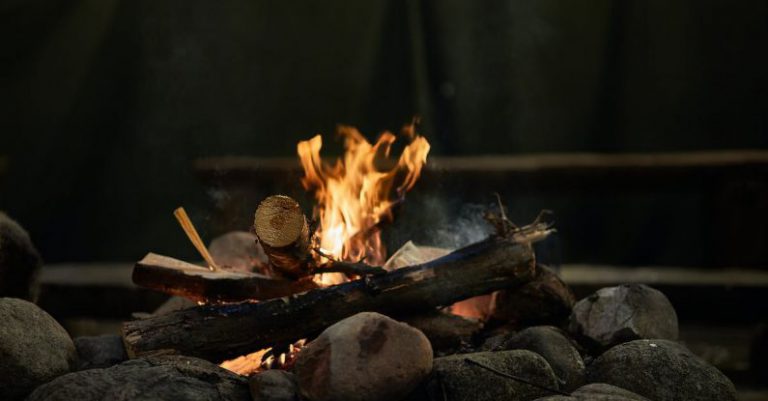
Campfires are undoubtedly one of the highlights of camping, but they can also have a detrimental impact on the environment. When building a campfire, use only dead and fallen wood that you find within the vicinity of your campsite. Never cut down live trees or branches, as this can disrupt the local ecosystem. Make sure to fully extinguish the fire before leaving your campsite or going to bed. Use water or dirt to douse the flames and ensure that there are no smoldering embers left behind.
Respect Wildlife
Part of the allure of camping is the opportunity to observe wildlife in its natural habitat. However, it’s important to remember that we are guests in their home. Keep a safe distance from animals and never attempt to feed or touch them. Feeding wildlife can disrupt their natural foraging habits and create dependency on human food sources. Additionally, store all food and scented items in bear-proof containers or hang them from a tree to prevent attracting wildlife to your campsite.
Conclusion: Embrace Sustainable Camping
Camping is a wonderful way to immerse ourselves in the beauty of nature, but it’s essential to do so in a sustainable and responsible manner. By being mindful of our actions and making conscious choices, we can minimize our impact on the environment and ensure that future generations can enjoy the same outdoor experiences that we cherish. So, the next time you go camping, remember to choose a sustainable campsite, pack light, leave no trace, practice responsible campfire use, and respect wildlife. Together, we can preserve the wonders of the great outdoors for years to come.