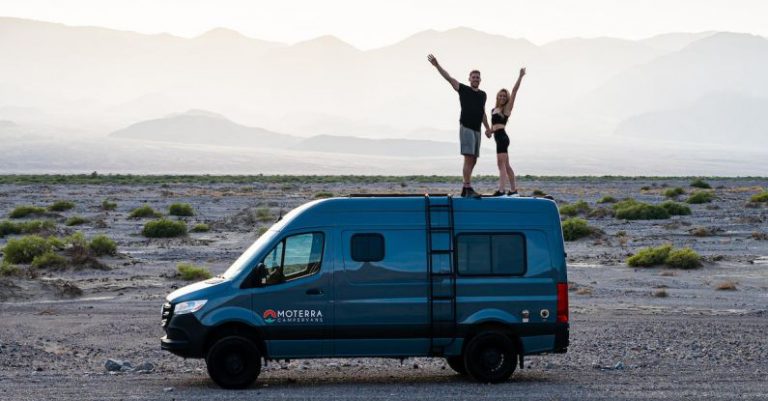

Can You Work Remotely in an Rv?
The rise of remote work has opened up a world of possibilities for individuals seeking freedom and flexibility in their careers. One such possibility is the ability to work remotely while living in an RV. This exciting lifestyle choice allows individuals to combine the freedom of the open road with the ability to earn a living from anywhere. But is working remotely in an RV a viable option? Let’s explore the pros and cons.
The Pros of Working Remotely in an RV
1. Freedom and Flexibility: One of the biggest advantages of working remotely in an RV is the freedom and flexibility it offers. You have the ability to choose where you want to live and work, whether it’s by the beach, in the mountains, or in a bustling city. This flexibility allows you to create a work-life balance that suits your needs.
2. Cost Savings: Living and working in an RV can be significantly cheaper than traditional housing. You can save money on rent or mortgage payments, utilities, and even transportation costs. Additionally, you have the freedom to choose campgrounds or RV parks that fit your budget, allowing you to control your expenses.
3. Minimal Commute: Say goodbye to rush hour traffic and long commutes. When you work remotely in an RV, your commute is as simple as stepping from your bedroom to your office. This not only saves you time but also reduces stress and allows you to start your day on a positive note.
4. Connection with Nature: Living in an RV gives you the opportunity to be closer to nature. You can wake up to breathtaking views, explore national parks, and enjoy outdoor activities during your downtime. This connection with nature can boost your creativity, productivity, and overall well-being.
The Cons of Working Remotely in an RV
1. Limited Space: Living and working in a small space can be challenging, especially if you require a dedicated office area. RVs typically have limited space, so you need to be creative in designing a functional workspace that meets your needs. This may require downsizing and decluttering your belongings to make the most of the available space.
2. Internet Connectivity: Reliable internet connectivity is crucial for remote work. While many RV parks and campgrounds offer Wi-Fi, the quality can vary significantly. It’s essential to research and choose locations with reliable internet access or invest in your own mobile hotspot to ensure a stable connection.
3. Distractions and Noise: Working in an RV can expose you to various distractions and noise. Depending on your location, you may encounter noisy neighbors, children playing, or even wildlife. It’s important to find strategies to minimize distractions and create a peaceful work environment, such as noise-canceling headphones or finding quiet places to work outside of your RV.
4. Limited Community: Living and working in an RV can sometimes be isolating, especially if you’re constantly on the move. Building a sense of community can be more challenging when you’re not rooted in one place. However, there are various ways to combat this, such as joining RVing groups, attending meetups, or utilizing online communities for remote workers.
Conclusion: Is Working Remotely in an RV for You?
Working remotely in an RV can be an incredible experience for those seeking adventure, freedom, and flexibility. However, it’s important to consider the challenges and lifestyle adjustments that come with it. If you’re willing to adapt to limited space, prioritize reliable internet access, and find ways to create a sense of community, working remotely in an RV could be a viable option for you. It offers the opportunity to explore new places, connect with nature, and create a work-life balance that aligns with your values. So, if you’re up for the adventure, why not give it a try? The open road awaits!